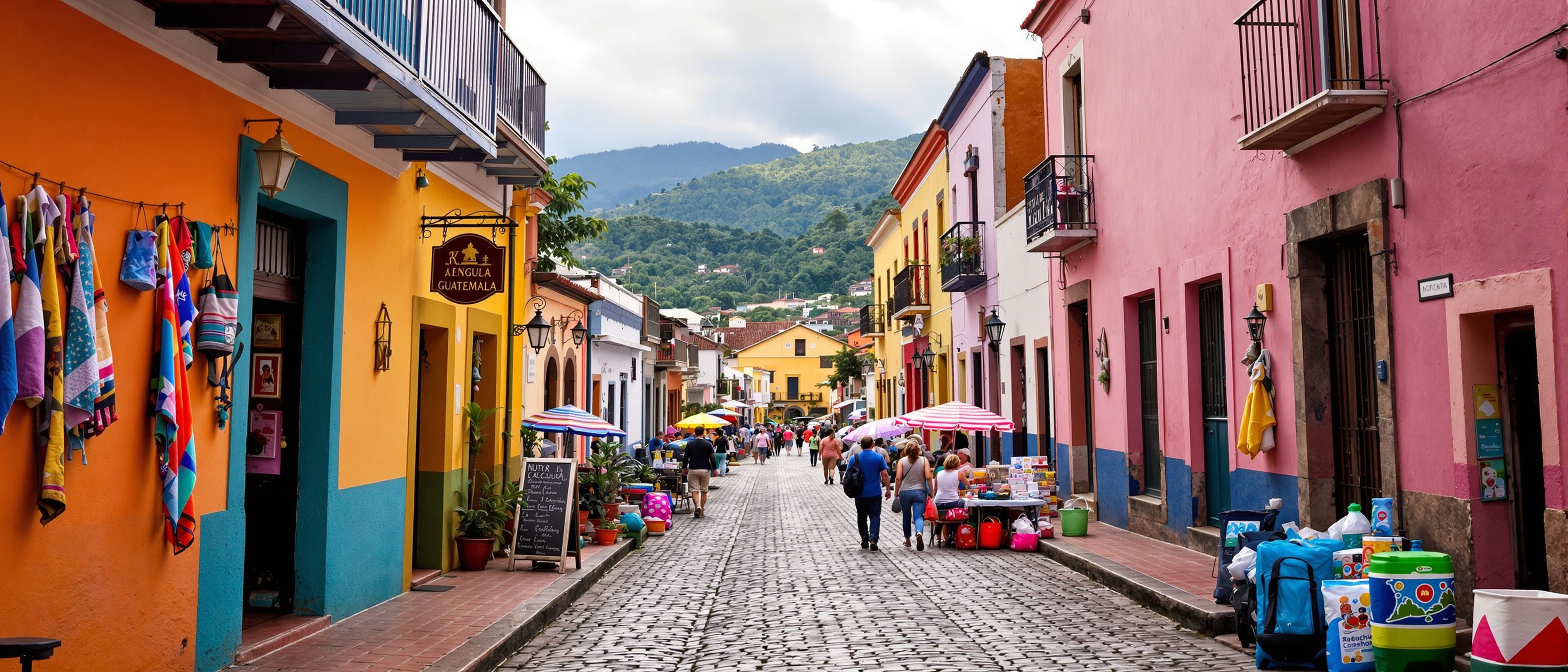
Guatemala Backpacking Itinerary:
The Complete Budget Route for 2026
Freedom, flexibility, and a budget that actually works. This Guatemala backpacking itinerary covers the entire country — volcanoes, jungle pools, ancient ruins, and a volcanic lake — in 10–14 days on $40–80/day. Whether you're planning a backpacking Guatemala route for the first time, looking for a complete guatemala budget itinerary, or figuring out how to backpack Guatemala without wasting time or money — this is the guide you need. Updated for 2026, built for independent travelers, and written by someone who's actually done it.
Get My Custom Guatemala ItineraryPlanning a backpacking Guatemala itinerary sounds simple until you actually try to do it. The transport connections are confusing. The shuttle booking windows are tight. Some routes require advance planning weeks ahead. Acatenango sells out. The road to Semuc Champey is rough. Tikal sunrise entry has rules most guides don't mention.
Most backpackers arrive in Antigua with a rough idea of where they want to go and spend the first two days piecing together a route from hostel bulletin boards and half-remembered blog posts. This guide exists to fix that. What follows is a complete, practical, day-by-day Guatemala backpacking itinerary — with real transport options, real costs, and real tips from someone who has done this route multiple times.
The route covers Guatemala's five greatest destinations — Antigua, Acatenango volcano, Lake Atitlán, Semuc Champey, and Tikal — in a logical south-to-north flow that minimizes transit time and maximizes experience. It works as a 1-week Guatemala backpacking route, a 2-week deep dive, or a 3-week slow travel experience. Every section includes budget tips, transport details, and honest advice. If you're working with a tighter schedule, also check our 5-day Guatemala itinerary, 7-day Guatemala itinerary, or 10-day Guatemala itinerary for more focused versions of this route.
What this guide includes
- Real backpacker route — tested south-to-north, zero backtracking
- Optimized itinerary — 10–14 days covering every major destination
- Budget range — $40–80/day with real price breakdowns per stop
- Practical travel tips — transport, safety, SIM cards, money, and more
Want a personalized backpacking route?
Tell us your budget, travel style, and how many days you have — we'll build a custom Guatemala backpacking itinerary that fits exactly what you're looking for. No generic templates.
Plan My Custom RouteTable of Contents
- 1.Quick Overview — The Guatemala Backpacking Route
- 2.Best Time to Backpack Guatemala
- 3.Why This Backpacking Route Works
- 4.Why Trust This Itinerary (E-E-A-T)
- 5.Days 1–2: Antigua Guatemala
- 6.Days 3–4: Acatenango Volcano (or Budget Alternative)
- 7.Days 5–6: Lake Atitlán
- 8.Days 7–8: Semuc Champey
- 9.Days 9–10: Flores & Tikal
- 10.Days 11–14: Optional Extensions
- 11.Backpacking Budget Breakdown
- 12.Backpacking Route Map
- 13.Transport Guide: Shuttles vs Chicken Buses
- 14.Where to Stay: Backpacker Hostels
- 15.Is Guatemala Safe for Backpackers?
- 16.Backpacking Guatemala Tips
- 17.Itinerary Variations: 1, 2 & 3 Weeks
- 18.Why Guatemala Beats Other Backpacking Destinations
- 19.People Also Ask
- 20.FAQ
- 21.Conclusion
The Guatemala Backpacking Route at a Glance
- Days 1–2Antigua Guatemala — Colonial city base camp — explore, book tours, eat well
- Days 3–4Acatenango Volcano — Overnight hike, watch Fuego erupt, summit at sunrise
- Days 5–6Lake Atitlán — Kayaking, Indian Nose sunrise hike, village hopping by lancha
- Days 7–8Semuc Champey — Natural limestone pools, cave tour by candlelight, jungle vibes
- Days 9–10Flores & Tikal — Sunrise at Temple IV, jungle exploration, ancient Maya ruins
- Days 11–14Optional Extensions — Livingston, Pacific coast, Quetzaltenango, or slow down anywhere
Backpacking Guatemala Route — Most Efficient Flow
This is the most efficient Guatemala backpacking route — every leg moves you forward. No backtracking, no wasted transit days.
This Guatemala backpacking itinerary is designed for 10–14 days — the sweet spot for covering the country's greatest destinations without rushing. Every transit moves you forward. No backtracking, no wasted days. It works equally well as a backpacking Guatemala route 2 weeks or a compressed 7-day sprint. See the variations section for shorter and longer options.
Best Time to Backpack Guatemala
Guatemala has two distinct seasons — and both are backpackable. The key is knowing what each one means for your specific route.
Dry Season
November – April- Best for Acatenango — clear skies, best Fuego views, no rain on the summit
- Best for Tikal — trails are dry, wildlife is active near water sources
- Peak season (Dec–Feb) — book hostels and tours in advance
- Semana Santa (Easter) — Antigua is spectacular but extremely crowded
Rainy Season
May – October- Fewer crowds — hostels are cheaper, tours are easier to book last-minute
- Semuc Champey is lush — the jungle is at its most vivid green
- Rain is usually afternoon showers — mornings are clear for hikes
- Acatenango views can be obscured by cloud cover — check forecasts
Bottom line: The dry season (November–April) is the best time to backpack Guatemala if you want guaranteed clear skies for Acatenango and Tikal. But the rainy season is perfectly fine — and often better value. Most travelers fall in love with Guatemala regardless of when they visit. The country's combination of volcanoes, jungle, and ancient ruins is one of the most rewarding experiences in the Americas, rain or shine.
Why This Backpacking Route Works
Guatemala is one of the most rewarding destinations in Central America — a perfect mix of adventure and culture packed into a country you can cross in 10 days. Most backpacking routes are built by travelers figuring it out as they go. This one is engineered for efficiency, budget, and maximum experience.
Logical South-to-North Flow
The route moves in one direction — Guatemala City → Antigua → Atitlán → Semuc Champey → Tikal → Flores. Zero backtracking. Every shuttle takes you closer to your exit point.
Budget-Optimized Transport
Each leg uses the most cost-effective transport option available. Chicken buses where practical, tourist shuttles where necessary. No expensive private transfers unless you choose them.
No Wasted Days
Every stop has 2 full days of activities. No one-night stopovers, no rushed half-days. You arrive, you settle in, you explore properly — then you move on.
Backpacker-Friendly Towns
Every stop on this route has established hostel infrastructure, English-speaking staff, and a community of fellow travelers. You're never isolated, never stuck.
Why Trust This Guatemala Backpacking Itinerary?
Real Experience
Every stop on this route — Antigua Guatemala, Acatenango volcano, Lake Atitlán, Semuc Champey, Tikal — has been personally researched and verified on the ground. No recycled content, no guesswork.
Updated for 2026
Transport routes, hostel recommendations, entry fees, and logistics are reviewed and updated for 2026. Prices, shuttle schedules, and entry requirements change — this guide reflects current conditions.
Optimized for Independent Travelers
This isn't a tour package — it's a route designed for backpackers who want to move independently, make their own decisions, and travel on their own schedule.
Built for US & International Backpackers
USD pricing, English-language resources, US flight connections, and safety context tailored for international travelers. This guide speaks your language — literally and practically.
Full Guatemala Backpacking Itinerary
Most travelers fall in love with Guatemala within the first 48 hours — and this route is designed to make that happen. Every stop delivers something genuinely unforgettable.
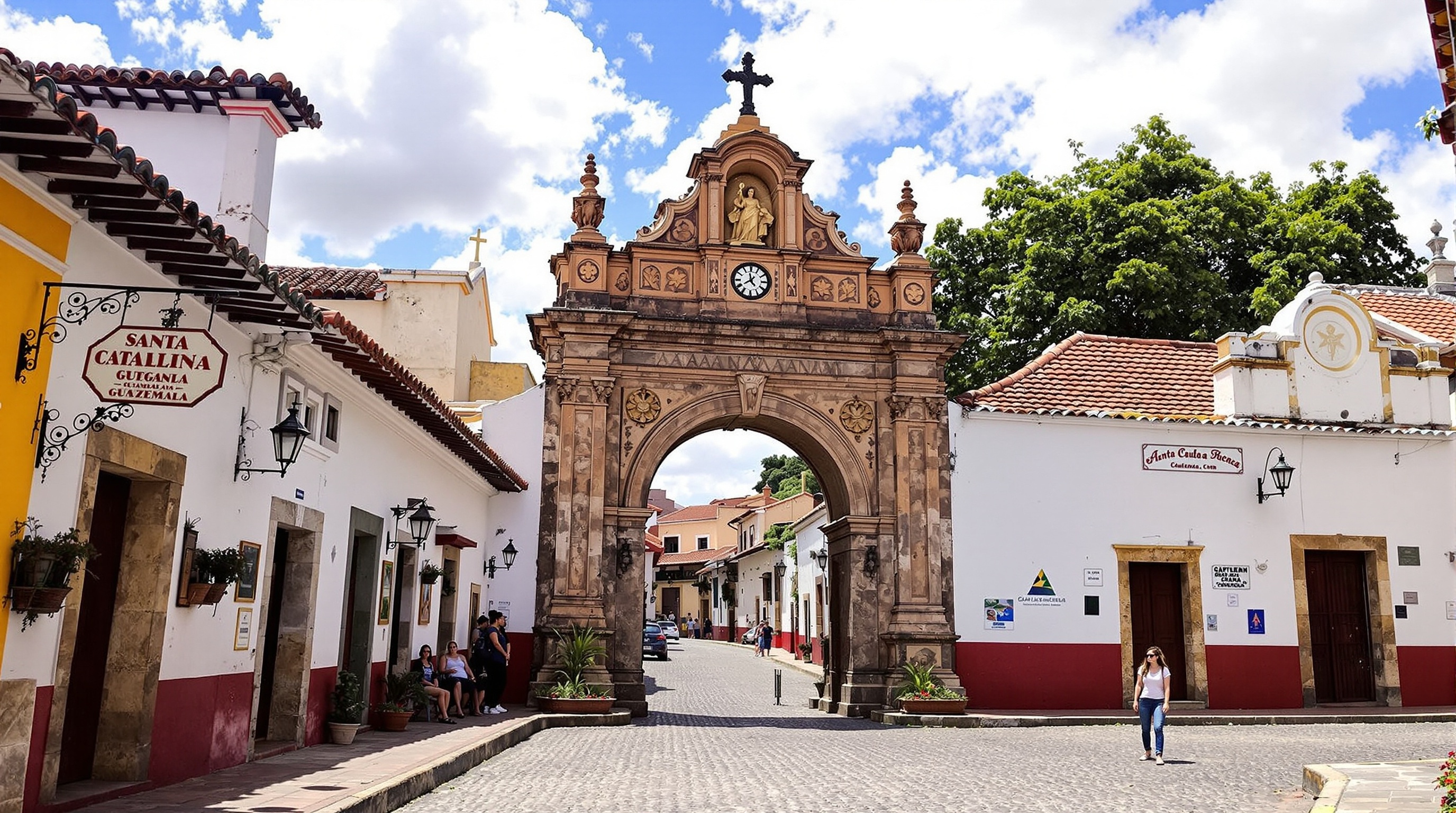
Antigua Guatemala
Your base camp — colonial, chaotic, and completely captivating
Antigua is the perfect soft landing. It's safe, walkable, and genuinely beautiful — but it also has everything a backpacker needs: cheap dorms, great street food, reliable WiFi, and a hostel scene that makes it easy to meet other travelers. It's the kind of city where you arrive planning to stay two days and end up staying four.
Every Guatemala backpacking itinerary starts in Antigua — and for good reason. This UNESCO-listed colonial city is the perfect entry point: well-connected to Guatemala City airport (45 minutes by shuttle), packed with hostels at every price point, and genuinely beautiful in a way that makes you want to slow down before you've even started.
Antigua sits at 1,500 meters in a valley ringed by three volcanoes — Agua, Acatenango, and Fuego. The streets are cobblestone, the buildings are painted in ochre and terracotta, and the ruins of colonial churches and convents are scattered throughout the city. Spend Day 1 getting oriented: walk the Parque Central, climb to the Cerro de la Cruz viewpoint for a panoramic shot of the city and volcanoes, and eat well. Street food meals cost $2–4 — try the tostadas and chuchitos from the market stalls near the central park.
Day 2 is for logistics and exploration. Book your Acatenango tour immediately — spots fill 3–5 days in advance during dry season (November–April). Visit the Mercado de Artesanías for gear or souvenirs, and explore the ruins of La Merced and the Convento de las Capuchinas. Antigua is also the best place in Guatemala to take a Spanish class — schools are everywhere and half-day sessions cost $8–12/hour.
What to Do: Days 1–2
- Walk the Parque Central and Santa Catalina Arch — the most photographed spot in Antigua
- Hike to Cerro de la Cruz viewpoint — 20 minutes, panoramic views of the city and volcanoes
- Explore the ruins of La Merced church and Convento de las Capuchinas ($3–5 entry each)
- Browse the Mercado de Artesanías for local crafts, textiles, and last-minute gear
- Optional: Sign up for a Spanish class — half-day sessions from $8–12/hour
- Don't skip booking Acatenango on arrival — it sells out fast and you can't just show up
- Don't stay in the cheapest possible hostel near the bus terminal — the central area is worth the extra $2/night
- Don't exchange money at the airport — rates are much better at ATMs or exchange offices in Antigua
Acatenango Volcano (or Budget Alternative)
The most intense 24 hours of your Guatemala backpacking trip
There is no experience in Central America quite like watching an active volcano erupt from 200 meters away at 2am. Fuego erupts every 15–20 minutes — you feel it in your chest before you hear it. Backpackers consistently rate the Acatenango overnight hike as the single best thing they did in Guatemala, and most say it was the best thing they did on their entire trip.
The Acatenango overnight hike is the defining experience of any Guatemala backpacking route — and it's worth every quetzal. You'll hike 6–8 hours to a high camp at 3,700 meters, sleep in a tent on the ridge, and wake up to watch Volcán de Fuego erupt in real time as the sun rises over the Pacific.
Fuego is one of the most active volcanoes in the world — erupting every 15–20 minutes with plumes of ash, glowing lava bombs, and deep rumbling that you feel in your chest. From the Acatenango camp, you're close enough to see the lava flows clearly on a good night. The hike itself is genuinely hard — 1,400 meters of elevation gain through cloud forest and loose volcanic scree — but the payoff is extraordinary. Pace yourself on the ascent and you'll be fine.
Guided tours cost $35–55 per person and include camping gear, meals, and a licensed guide. This is not a hike to do independently — the trail is long, the altitude is significant, and conditions change fast. Book through your hostel or a reputable Antigua tour agency. After descending on Day 4, you'll be back in Antigua by early afternoon — rest, eat, and prepare for the shuttle to Lake Atitlán.
What to Do: Days 3–4
- Day 3: Begin the Acatenango hike — 6–8 hours to high camp at 3,700m
- Day 3 evening: Watch Fuego erupt from camp — lava bombs and ash plumes every 15–20 minutes
- Day 4 pre-dawn: Summit Acatenango at sunrise — panoramic views over the Pacific
- Day 4 afternoon: Descend and return to Antigua — rest and recover
- Day 4 evening: Book or take shuttle to Panajachel (Lake Atitlán) — $15–20
- Don't attempt Acatenango without a guide — the trail is unmarked in sections and altitude sickness is real
- Don't bring a cotton sleeping bag — temperatures drop below 0°C at camp and you'll be miserable
- Don't book the cheapest possible operator — quality of gear and guides varies significantly
Lake Atitlán
The most beautiful lake in the world — and it lives up to the hype
Lake Atitlán is where backpackers come to recover from Acatenango — and end up staying for a week. The combination of jaw-dropping scenery, cheap accommodation, excellent food, and a relaxed social scene makes it one of the most addictive stops on the entire Central America backpacking circuit. The Indian Nose sunrise hike alone is worth the detour.
After the intensity of Acatenango, Lake Atitlán hits differently. A 2.5-hour shuttle from Antigua brings you to Panajachel — the main gateway to the lake — and the moment you see the water, ringed by three volcanoes and a dozen indigenous Maya villages, you understand why people come here and never leave.
The lake sits in a volcanic caldera at 1,560 meters. The water is crystal clear, the air is clean, and the scale of the landscape is genuinely humbling. For backpackers, the best base is San Pedro La Laguna — cheaper than Panajachel, more laid-back, and with a strong backpacker community. From San Pedro, you can kayak across the lake, hike to the Indian Nose viewpoint, or hop on a lancha ($3–5) to explore the other villages.
The Indian Nose sunrise hike is the must-do experience here — a steep 1.5-hour trail that rewards you with one of the most photographed views in Guatemala. Wake up at 4am, hike by headlamp, and reach the summit just as the sky turns pink over the volcanoes. The lake below is still, the mist is rising, and the silence is total. It costs around $5–8 with a local guide and is completely worth it.
What to Do: Days 5–6
- Kayak or paddleboard on the lake — rent from San Pedro or Panajachel ($5–8/hour)
- Indian Nose sunrise hike — 4am start, 1.5 hours up, views over all three volcanoes ($5–8 with guide)
- Village hop by lancha: San Juan (art cooperatives), San Marcos (yoga), Santiago (Maximón shrine)
- Optional: Hike San Pedro Volcano — full-day summit challenge with permit ($15–20)
- Eat at local comedores — full meals for $3–5, far better value than tourist restaurants
- Don't stay in Panajachel — it's more expensive and less atmospheric than the other villages
- Don't swim in the lake near Panajachel — water quality is poor near the main town; swim from San Pedro or San Marcos instead
- Don't skip the Indian Nose sunrise — it's the best viewpoint on the lake and costs almost nothing
Semuc Champey
The most remote and rewarding stop on the entire route
Semuc Champey is the kind of place that doesn't feel real. Natural limestone pools the color of a swimming pool, stacked in tiers above a roaring underground river, surrounded by dense jungle. There's no road noise, no crowds (if you arrive early), and no phone signal. It's the most purely beautiful natural site in Guatemala — and the cave tour by candlelight is one of the most memorable experiences on the entire backpacking circuit.
Getting to Semuc Champey is part of the adventure. A 6–7 hour shuttle from Panajachel winds through the Guatemalan highlands and into the Alta Verapaz jungle. By the time you arrive in Lanquín, the nearest town, you feel genuinely remote. That feeling doesn't go away — and it's exactly what makes this stop so special.
Semuc Champey is a series of natural limestone pools fed by the Cahabón River — turquoise, crystal-clear, and stacked in cascading tiers above a roaring underground river. Swimming here is one of the most extraordinary natural experiences in Central America. The water is the color of a swimming pool, the jungle presses in on all sides, and the sound of the river below the limestone bridge is constant and hypnotic. Entry costs around $10 — arrive early to beat the day-trippers from Cobán.
The cave tour is the other unmissable experience — and it's genuinely wild. You wade through underground rivers by candlelight, swim through subterranean pools, and climb rope ladders in the dark. It's raw, unfiltered adventure. The cave tour costs $5–8 extra and runs daily from the jungle hostels. Book it for your first afternoon so you have a full day at the pools on Day 8.
What to Do: Days 7–8
- Cave tour by candlelight — underground rivers, rope ladders, subterranean pools ($5–8)
- Full day at Semuc Champey natural pools — swim, float, explore the limestone tiers ($10 entry)
- Hike the mirador viewpoint above the pools — 20-minute steep climb, bird's-eye view of the formation
- Optional: River tubing on the Cahabón River — fast, fun, and completely exhilarating ($5–8)
- Walk the jungle trails around the hostel — spot toucans, parrots, and howler monkeys
- Don't stay in Lanquín town — the jungle hostels near the park are far better and often include meals
- Don't skip the cave tour — it's the most unique experience at Semuc Champey and costs almost nothing
- Don't arrive without cash — there are no ATMs near Semuc Champey; withdraw in Cobán or Lanquín
Flores & Tikal
Ancient Maya temples rising above the jungle canopy
Tikal is the kind of place that makes you feel small in the best possible way. The scale of the ancient city — 576 square kilometers of jungle, thousands of unexcavated structures, temples rising 70 meters above the canopy — is genuinely overwhelming. The sunrise from Temple IV, with howler monkeys roaring and the jungle mist rising, is one of the most powerful travel experiences in the Americas.
The final major stop on the Guatemala backpacking route takes you deep into the Petén jungle — to Tikal National Park, one of the greatest archaeological sites in the world. Getting here from Semuc Champey requires a shuttle to Flores (5–6 hours) and then a short transfer to the park. The journey is long, but arriving in the Petén feels like entering a completely different country.
Tikal was one of the most powerful cities of the ancient Maya world — at its peak, home to over 100,000 people, with temples rising 70 meters above the jungle floor. Today, the site covers 576 square kilometers of protected rainforest, with thousands of structures still unexcavated beneath the trees. Walking the main causeways between the great plazas, with howler monkeys roaring overhead and toucans flashing through the canopy, is one of the most immersive experiences in all of Guatemala. Entry costs $20–25 — buy your ticket in advance online or at the park gate.
The sunrise at Temple IV is the defining Tikal experience — and it requires an early start. Enter the park before dawn (5am minibus from Flores), climb the wooden stairs to the top of Temple IV (65 meters), and watch the jungle canopy emerge from the mist as the sky turns orange. The sound of the jungle waking up — howler monkeys, birds, the distant calls of wildlife — is something you carry with you long after you leave. Sunrise tours add $5–10 to the entry fee.
What to Do: Days 9–10
- Tikal sunrise at Temple IV — enter before dawn, watch the jungle canopy emerge from the mist ($20–25 + $5–10 sunrise fee)
- Explore the Great Plaza, Temple I, Temple II, and the Acropolis complexes
- Jungle walk with a guide — spot toucans, spider monkeys, coatis, and possibly a jaguar ($15–25)
- Walk the island of Flores — colorful streets, lakeside restaurants, sunset views over Lake Petén Itzá
- Fly from Flores (FRS) back to Guatemala City — 1 hour vs 9-hour bus (worth the extra cost)
- Don't stay at the Tikal park hotels — they're expensive and not worth the premium for backpackers
- Don't visit Tikal in the middle of the day — the heat is brutal and the crowds are at their worst; go at sunrise or late afternoon
- Don't skip the flight from Flores back to Guatemala City — 9 hours on a bus vs 1 hour in the air for $60–100 more is worth it at the end of a long trip
Optional Extensions
Slow down, go deeper, or explore off the beaten path
If you have more than 10 days — and you should try to — Guatemala rewards slower travel. The main backpacking route covers the greatest hits, but there's a whole other side of the country that most backpackers miss entirely.
Río Dulce & Livingston
Take a boat down the Río Dulce from Flores to Livingston — a Caribbean town with Garifuna culture, reggae music, and a completely different vibe from the rest of Guatemala. 2–3 days. Boat tour: $15–20.
Quetzaltenango (Xela)
Guatemala's second city — cooler, less touristy, and surrounded by volcanoes. Great for Spanish classes, volcano hikes, and getting off the gringo trail. 2–3 days. Dorms from $8/night.
Pacific Coast
Black sand beaches, surf breaks, and sea turtle nesting sites. Monterrico is the most popular spot — a 2-hour shuttle from Antigua ($15). 1–2 days. Budget-friendly beach hostels from $10/night.
Slow Down Anywhere
The best option is often just staying longer at a place you love. Lake Atitlán and Semuc Champey are both places where backpackers arrive for 2 days and stay for a week. No extra cost — just more time.
Want a Custom Version of This Route?
Tell us your dates, budget, and travel style — we'll build a personalized Guatemala backpacking itinerary that fits exactly what you're looking for.
Get My Custom Guatemala ItineraryGuatemala Backpacking Cost: Budget Breakdown
Real numbers, not estimates. Here's exactly what a Guatemala travel budget looks like in 2026 — per category, per day.
Daily Budget Summary — Budget Backpacker ($40–50/day)
| Category | Budget Backpacker | Mid-Range Backpacker |
|---|---|---|
| Accommodation | $8–12/night | $15–25/night |
| Food | $8–15/day | $15–25/day |
| Transport | $5–10/day | $10–20/day |
| Activities | $5–15/day | $15–30/day |
| Misc (SIM, water, tips) | $3–5/day | $5–10/day |
| DAILY TOTAL | $29–57/day | $60–90/day |
* Excludes international flights. Acatenango tour ($35–55) is a one-off cost included in the 10-day total.
Worried about blowing your budget?
Tell us your budget, travel style, and how many days you have — we'll build a personalized Guatemala backpacking itinerary that fits exactly what you're looking for. Stress-free planning, real costs, no surprises.
Guatemala Backpacking Route Map
The route flows south to north — no backtracking, no wasted transit days.
Key insight: Flying out of Flores (FRS) instead of backtracking to Guatemala City saves you 9 hours of bus travel and costs $60–100. For most backpackers, this is absolutely worth it — especially at the end of a 10-day trip when you're tired and ready to go home. Book the Flores flight as early as possible; it sells out during peak season.
Transport Guide: Shuttles vs Chicken Buses
The biggest decision in your Guatemala backpacking route — and the one that most affects your budget and comfort.
Tourist Shuttles
- Door-to-door service between tourist towns
- Air-conditioned minibuses, English-speaking drivers
- Cost: $15–25 per leg — 3–5x more than chicken buses
- Essential for Panajachel → Lanquín and Lanquín → Flores (no direct chicken bus)
- Book 1–2 days in advance — they fill up fast
Chicken Buses (Camionetas)
- Repurposed US school buses — colorful, chaotic, authentic
- Cost: $1–5 per leg — the cheapest way to move
- Great for Guatemala City → Antigua and short hops
- Slower, more crowded, no fixed schedule
- Not available for all routes (Semuc Champey, Tikal)
| Route | Tourist Shuttle | Chicken Bus | Recommendation |
|---|---|---|---|
| Guatemala City → Antigua | $10–15 (45 min) | $2 (1 hr) | Either |
| Antigua → Panajachel | $15–20 (2.5 hrs) | $5–8 (3–4 hrs) | Shuttle |
| Panajachel → Lanquín | $20–25 (6–7 hrs) | Not direct | Shuttle only |
| Lanquín → Flores | $20–25 (5–6 hrs) | Not direct | Shuttle only |
| Flores → Tikal | $5–8 (1 hr) | $3–5 (1.5 hrs) | Either |
| Flores → Guatemala City | Flight $60–100 (1 hr) | $20–25 (9 hrs) | Fly if budget allows |
Where to Stay: Backpacker Hostels
Guatemala has excellent hostel infrastructure on the main backpacking route. Here's what to look for at each stop.
Antigua
Look for hostels with rooftop terraces and volcano views. Many offer free breakfast. Book in advance during Semana Santa (Easter week) — the city fills up completely.
Lake Atitlán
San Pedro is cheaper and more laid-back than Panajachel. San Marcos is great for yoga and wellness. Avoid staying in Panajachel itself — it's more expensive and less atmospheric.
Semuc Champey
Stay at the jungle hostels 10–15 minutes from the park entrance. Many include breakfast and dinner in the price. The setting is spectacular — worth the slight premium over Lanquín town.
Flores
Stay on the island of Flores rather than in Santa Elena — it's more atmospheric, walkable, and has better restaurants. The island is tiny and everything is within 5 minutes on foot.
Tikal
The park hotels are expensive and not significantly better than Flores hostels. Take the 5am minibus from Flores to arrive for sunrise — it's the same experience at a fraction of the cost.
General Tips
Hostelworld and Booking.com both work well in Guatemala. Many hostels also accept walk-ins. During dry season (Nov–Apr), book Antigua at least 3–5 days ahead — it fills up fast.
Is Guatemala Safe for Backpackers?
The short answer: yes — on the main backpacking route. Thousands of solo travelers (including solo women) do this route every year without incident. Here's what you actually need to know.
Guatemala is safe for backpackers if you stick to the main tourist route, use reputable shuttle services, avoid walking alone at night in Guatemala City, and follow the same common-sense precautions you'd apply anywhere. The destinations on this itinerary — Antigua, Lake Atitlán, Semuc Champey, and Tikal — are all well-established backpacker hubs with strong safety records. Most travelers who visit Guatemala are surprised by how welcoming and accessible it is. It's one of the most rewarding destinations in the Americas, and the vast majority of backpackers complete this route without a single incident.
Safe Zones for Backpackers
- Antigua — very safe, well-policed tourist area, well-lit streets
- Lake Atitlán (San Pedro, San Marcos, San Juan) — safe for solo travelers
- Semuc Champey / Lanquín — remote but safe, established backpacker infrastructure
- Flores — small island, very safe, easy to navigate on foot
- Tikal National Park — safe during park hours, security present
Areas to Be Cautious
- Guatemala City — avoid walking alone at night; use Uber or taxis between airport and bus terminals
- Zone 1 (Guatemala City) — high petty crime; don't linger with valuables visible
- Night buses — avoid overnight buses on remote routes; take daytime shuttles instead
- Isolated hiking without a guide — always use licensed guides for volcano hikes
- Displaying expensive gear — keep cameras and phones out of sight in crowded markets
Transport Safety Tips
- Use tourist shuttles for long routes — they're safer and more reliable than local buses for backpackers
- Book shuttles through your hostel or a reputable agency — avoid random street touts
- Avoid traveling after dark on mountain roads — conditions change fast and accidents happen
- Keep your bag with you on shuttles — don't put valuables in the luggage compartment
- Uber works in Guatemala City — use it for airport transfers instead of unmarked taxis
Common Mistakes to Avoid
- Flashing expensive cameras, phones, or jewelry in public — keep valuables discreet
- Carrying your passport everywhere — leave it in your hostel locker, carry a photocopy
- Accepting drinks from strangers in bars — standard travel precaution, applies everywhere
- Hiking volcanoes without travel insurance — Acatenango is a serious hike; get covered
- Ignoring local advice — hostel staff know current conditions; ask before you go anywhere new
Backpacking Guatemala Tips
Everything you need to know before you go — from safety to SIM cards to money.
Safety
- The main backpacking route is safe — Antigua, Atitlán, Semuc Champey, and Tikal are all well-traveled
- Avoid walking alone at night in Guatemala City — take taxis or Uber between the airport and bus terminals
- Use reputable shuttle services rather than random minibuses — your hostel can recommend trusted operators
- Keep a copy of your passport and travel insurance details in your email
- Travel insurance with adventure sports coverage is strongly recommended — especially for Acatenango
Packing for Guatemala
- Pack light — a 40–50L backpack is ideal. You'll be moving frequently and carrying your own bag
- Hiking boots or trail runners are essential — you'll use them on Acatenango, Atitlán hikes, and Tikal trails
- Warm layers for Acatenango — temperatures drop below 0°C at the summit camp
- Quick-dry swimwear and water shoes for Semuc Champey pools and cave tour
- Headlamp with spare batteries — essential for cave tours and early morning hikes
- Rain jacket — afternoon showers are common, especially in Semuc Champey and Tikal
SIM Card & Connectivity
- Buy a Tigo or Claro SIM card at Guatemala City airport or in Antigua — costs around $10 for 2 weeks of data
- Tigo has the best coverage across the country, including in Lanquín and the Petén
- WiFi is available at all hostels on the main route — reliable in Antigua and Atitlán, slower in Semuc Champey
- Download offline maps (Maps.me or Google Maps offline) before leaving Antigua — essential for remote areas
Money & Budget
- The Guatemalan Quetzal (GTQ) is the local currency — roughly 7.7 GTQ to 1 USD
- ATMs are available in Antigua, Panajachel, and Flores. Lanquín has limited ATM access — withdraw cash before you go
- Most hostels and tour operators accept USD cash — useful as a backup
- Bargaining is acceptable at markets but not at restaurants or hostels
- Tip your guides — $3–5 per person for day tours, $5–10 for overnight hikes like Acatenango
Language
- Spanish is the official language — basic phrases go a long way and are genuinely appreciated
- English is spoken at most hostels, tour agencies, and tourist restaurants on the main route
- In indigenous villages (Atitlán, Petén), local Maya languages are spoken alongside Spanish
- Antigua is the best place in Central America to take a Spanish class — schools are everywhere and affordable
Itinerary Variations
Not everyone has 2 weeks. Here's how to adapt this Guatemala backpacking itinerary to your schedule.
1-Week Guatemala Backpacking Route
The essential highlights — volcano, lake, and colonial city in 7 days.
A 1-week Guatemala backpacking route skips Semuc Champey and Tikal but delivers the two most visceral experiences — the Acatenango volcano hike and Lake Atitlán. Budget: $350–500 total. See our dedicated 5-day Guatemala itinerary or 7-day Guatemala itinerary for a more structured version.
2-Week Guatemala Backpacking Route (Recommended)
The complete route — every major destination, no rushing. This is the sweet spot.
The backpacking Guatemala route 2 weeks is the version most travelers wish they'd planned from the start. Every major destination covered, with 4 days of buffer for extensions. Budget: $700–1,000 total. See our 7-day Guatemala itinerary or the 10-day Guatemala itinerary for more structured versions of this route.
3-Week Guatemala Backpacking Route (Deep Dive)
The full experience — main route plus off-the-beaten-path extensions.
Three weeks lets you go beyond the main Guatemala backpacking itinerary and discover the country's lesser-known sides — the Caribbean coast, the highlands around Xela, and the Pacific beaches. Budget: $1,000–1,500 total.
Why Guatemala Is One of the Best Backpacking Destinations
Mexico, Costa Rica, Peru — all great. But for a Guatemala backpacking route that packs maximum variety into minimum time on a real budget, Guatemala wins.
| Category | GTGuatemala | MXMexico | CRCosta Rica | PEPeru |
|---|---|---|---|---|
| Daily Budget | $40–80/day | $60–100/day | $120–180/day | $70–100/day |
| Active Volcano | Acatenango + Fuego eruptions | Popocatépetl (restricted) | Arenal (no summit) | El Misti (very remote) |
| Ancient Ruins | Tikal — world-class Maya | Chichén Itzá (very crowded) | None significant | Machu Picchu (expensive) |
| Jungle Swimming | Semuc Champey — unique | Cenotes (crowded) | Waterfalls (good) | Amazon (remote, costly) |
| Trip Length Needed | 10–14 days (compact) | 14–21 days (huge country) | 10–14 days (expensive) | 14–21 days (long distances) |
| Hostel Infrastructure | Excellent on main route | Excellent (very developed) | Good but pricey | Good in main cities |
The bottom line: Costa Rica is beautiful but costs 2–3x more than Guatemala for a similar experience. Peru has Machu Picchu but requires 14+ days and significant budget. Mexico is huge — you need 3 weeks to see a fraction of what Guatemala covers in 10 days. For backpackers who want maximum variety, maximum adventure, and minimum cost, Guatemala backpacking is the best value proposition in the Americas. Period. If you want a more adventure-focused version of this route, see our Guatemala adventure itinerary.
People Also Ask About Backpacking Guatemala
Backpacking Guatemala costs $40–80 per day on average. Budget travelers staying in dorm hostels, eating local food, and using chicken buses can get by on $40–50/day. A 10-day trip costs roughly $500–800 all-in excluding flights.
Guatemala Backpacking FAQ
Backpacking Guatemala costs $40–80 per day. Budget: $40–50/day (dorm hostels, street food, chicken buses). Mid-range: $60–80/day (private rooms, restaurants, tourist shuttles). A 10-day trip costs $500–800 all-in, excluding international flights.
Not Sure How to Plan This Trip?
A Guatemala backpacking itinerary sounds simple until you try to book it. Acatenango tours sell out weeks in advance. The Semuc Champey shuttle needs to be timed precisely. Tikal sunrise entry has rules most guides don't mention. Getting it wrong means missed connections and wasted days.
We've mapped every detail of this route — transport windows, booking timelines, budget breakdowns, and backup options — so you don't have to figure it out from scratch.
Get My Custom Guatemala Itinerary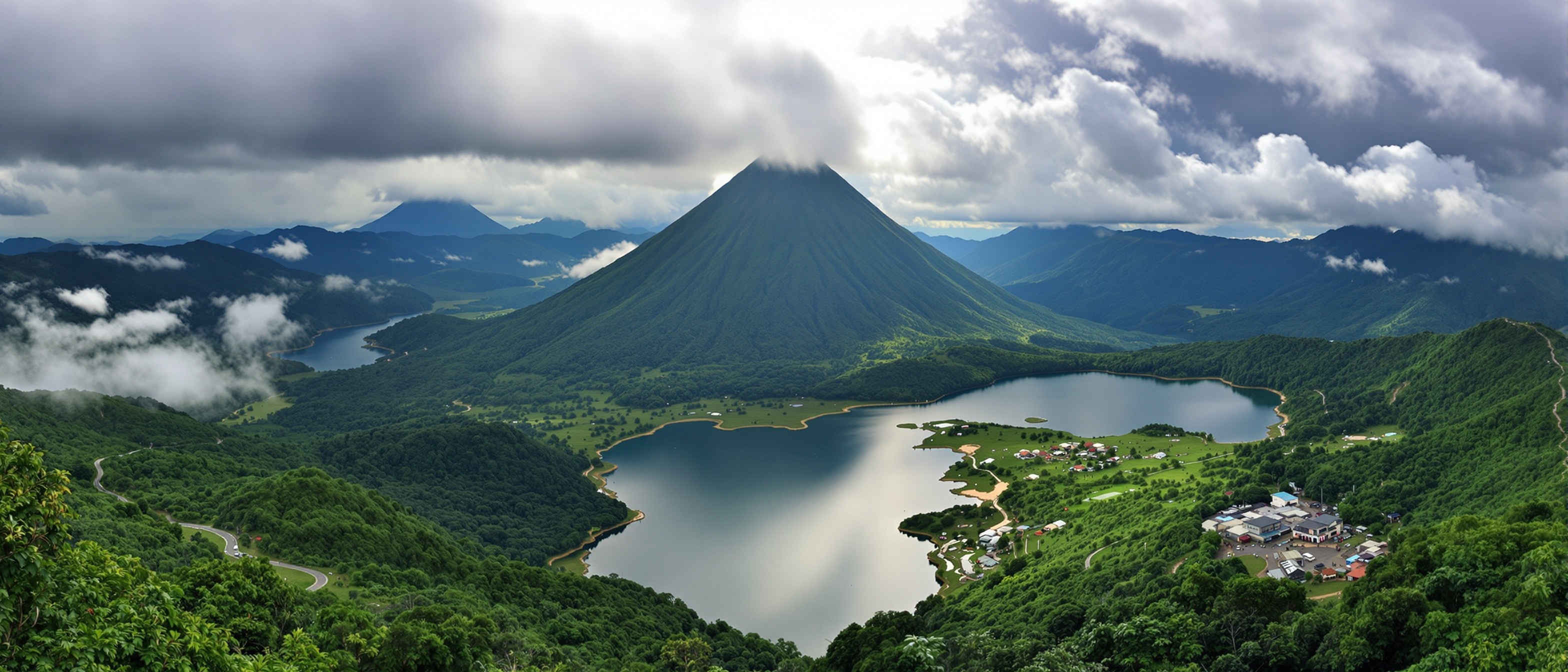
Start Planning Your Guatemala Backpacking Trip
Volcanoes, jungle pools, ancient ruins, and a volcanic lake that stops you in your tracks — all on a budget that actually works. This Guatemala backpacking itinerary is the most complete independent travel route in Central America. Start planning now.
Conclusion: Guatemala Is the Best Backpacking Destination in Central America
Guatemala doesn't ask you to choose between adventure and culture, between budget and quality, between nature and history. It gives you all of it — in 10 days, on $50–80 a day, in a country the size of Tennessee. This Guatemala backpacking itinerary is the most complete independent travel route in Central America, and it's designed to be done exactly the way you want to do it.
Whether you're doing the 1-week sprint or the full backpacking Guatemala route 2 weeks, you'll leave with a different understanding of what travel can be. Not just sightseeing — but genuine physical and emotional engagement with a place that has been shaped by fire, water, and thousands of years of human civilization.
Most backpackers who come for a week end up wishing they'd booked two. Guatemala has a way of doing that — and the route never really ends.
Want a personalized backpacking route based on your budget and travel style? We can help you plan it — with real costs, real transport options, and a route that fits your exact timeline.